If you had told me that running would become part of my life let alone my career I would have laughed.
From Avoiding Running to 30 Ultramarathons: What the Pain Cave Teaches About Limits
Five years ago, if you had told me that running would become part of my life let alone my career I would have laughed.
At school I played team sports and avoided running whenever I could. Football, rugby, anything that involved a ball and teammates was fine. But running for the sake of running? That was something I never understood.
Cross-country days were the worst. If you’ve ever done them, you know the type: cold mornings, muddy fields, a whistle blowing somewhere in the distance, and a group of reluctant teenagers jogging off into the countryside.
I was the person hiding in the woods and reappearing near the finish line.
Running simply wasn’t “my thing.”
For most of my life, I had no intention of changing that.
But life has a way of forcing change on you.
After injuries pushed me to rethink my career path, I found myself in a position I hadn’t expected. The future I had planned suddenly looked very different. The structure and direction I had relied on had disappeared overnight.
In those moments, you start searching for something that gives you back a sense of control.
For me, that thing was running.
At first, there was no grand plan. I didn’t start running with the idea that I would one day compete in ultramarathons or travel around the world to race in extreme environments.
I started running simply to see what I was capable of.
Just to test myself.
Just to find out where my limits actually were.
What began as running with the dogs quickly grew into something much bigger.
The distances got longer, the environments got harsher and the challenges became more complex than I could ever have imagined when I first laced up a pair of running shoes.
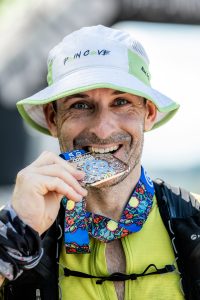
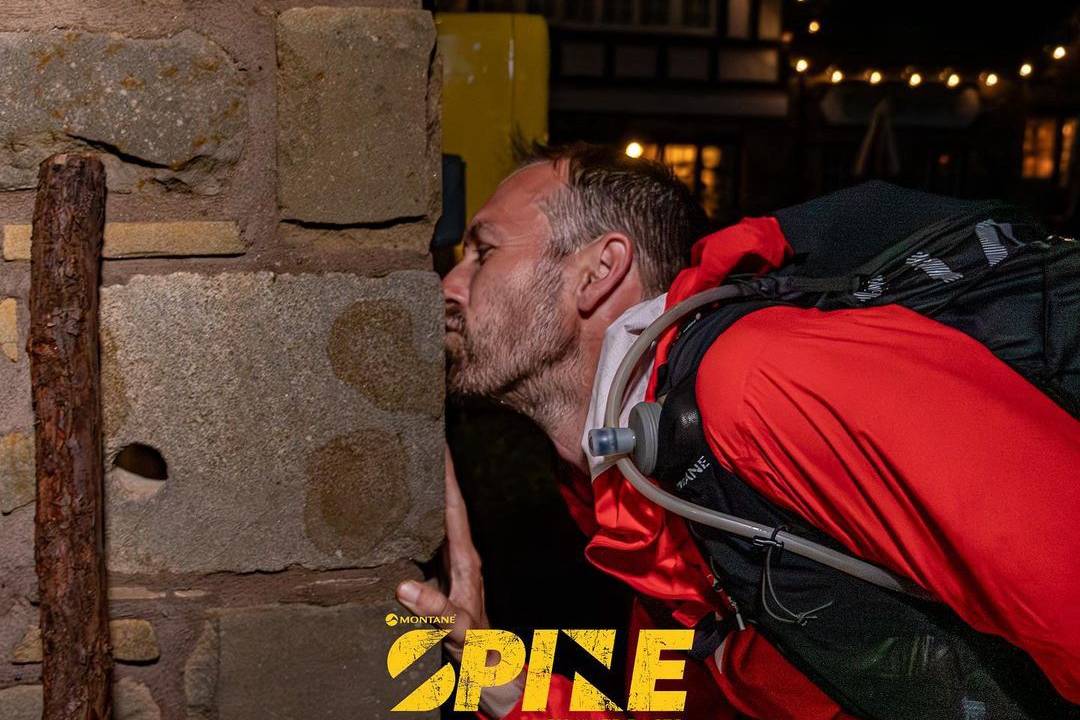
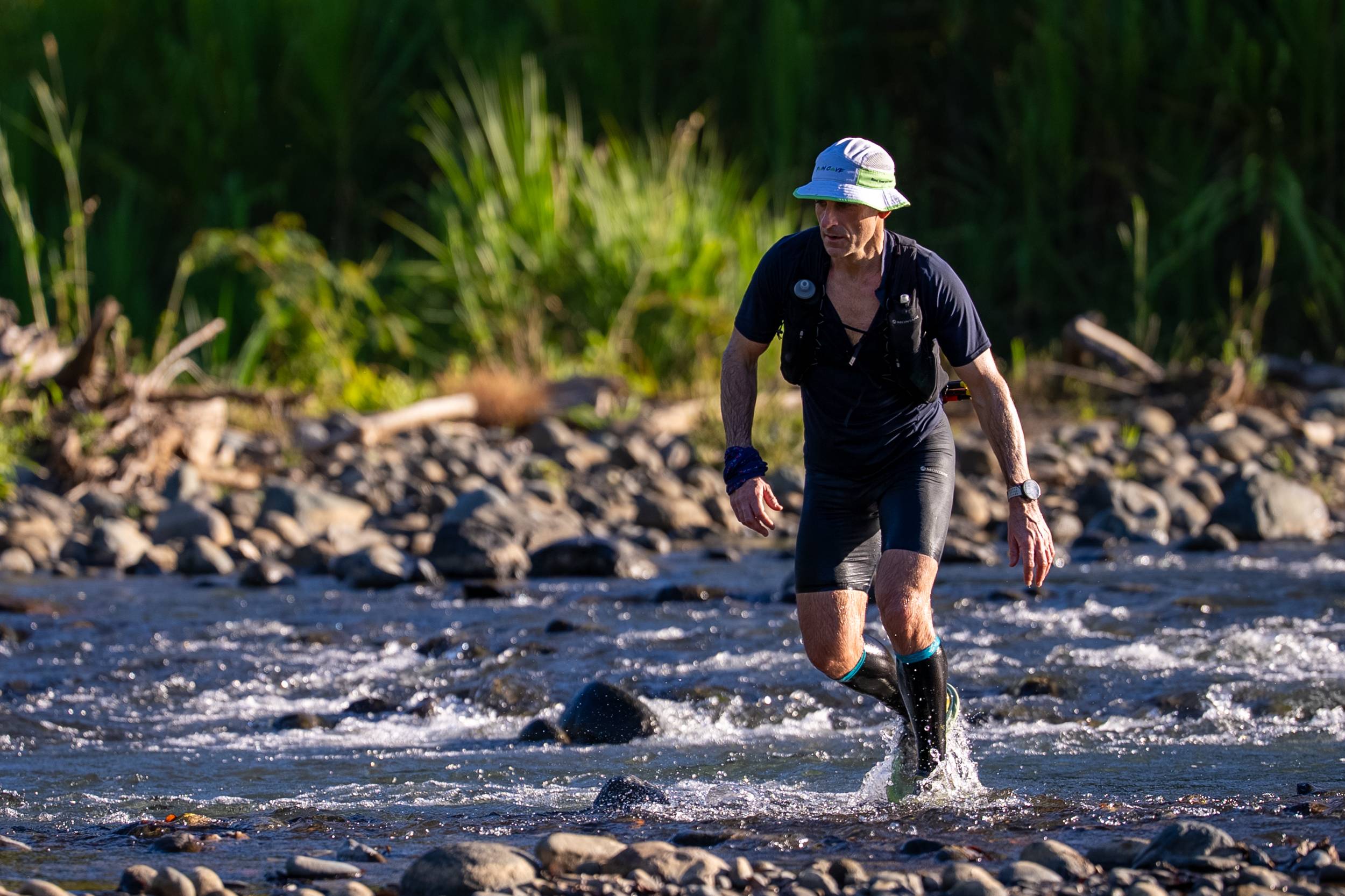
Since then, I’ve raced in around thirty ultramarathons.
These have included:
-
Multi-stage desert races where the heat is unbearable.
-
Expedition-style ultras in remote environments such as the Arctic.
-
100-mile races that stretch far beyond a normal day’s effort
-
50km races and everything in between
Each one brings its own unique test. Some challenge your body. Others challenge your mind. Many challenge both in ways that are difficult to explain to someone who hasn’t experienced it.
But there is one lesson ultrarunning teaches very quickly.
The limits we believe in are often far smaller than the ones we are actually capable of.
When you stand on the start line of an ultramarathon, the distance can feel overwhelming. The idea of running through the night, climbing mountains, crossing deserts or covering 100 miles on foot can seem almost impossible.
Yet thousands of ordinary people do it every year.
Not because they are superhuman.
But because they learn how to move forward when things get uncomfortable.
Ultrarunning strips everything back to something very simple.
One step.
Then another.
And another.
The Pain Cave is a place every endurance athlete eventually visits. It’s the point where your legs are screaming, your energy is fading, and your mind starts questioning whether continuing makes any sense at all.
But it’s also the place where you discover something important.
You realise that discomfort isn’t the same as defeat.
You realise that your body can go further than your mind initially believes.
And most importantly, you realise that progress often comes from simply refusing to stop.
Over time, these lessons start to apply far beyond running.
The mindset that helps someone move through the final miles of an ultramarathon is the same mindset that helps people navigate difficult moments in business, leadership and life.
Things rarely go exactly according to plan.
Careers change. Plans shift. Unexpected challenges appear when you least expect them.
The question is never whether discomfort will arrive.
The question is how you respond when it does.
Do you stop at the first sign of difficulty?
Or do you keep moving forward, step by step, adapting as you go?
Ultrarunning has shown me that resilience isn’t something reserved for elite athletes. It’s something that can be built by anyone who is willing to step outside their comfort zone and test their perceived limits.
The Pain Cave isn’t just a place in endurance sport.
It’s a metaphor for those moments in life where things become difficult, uncertain or uncomfortable.
And more often than not, those moments are where the real growth happens.
Running may not have been “my thing” growing up.
But it has become one of the most powerful teachers I’ve encountered.
It has reshaped my mindset, my understanding of resilience, and my belief in what people are capable of when circumstances change.
Today I share these experiences with teams and organisations, speaking about resilience, adapting to unexpected change, and performing when things become uncomfortable.
Because the truth is, the same lessons that apply in the middle of a desert ultramarathon apply just as much in boardrooms, businesses and everyday life.
We are all capable of more than we think.
Sometimes we just need to step into the Pain Cave to find out.
If you’re looking for a speaker on resilience, mindset and pushing beyond perceived limits, I’d love to connect. http://www.jonshield.com